- Home/
- Buy Stromectol in Online Pharmacy for United Kingdom Customers
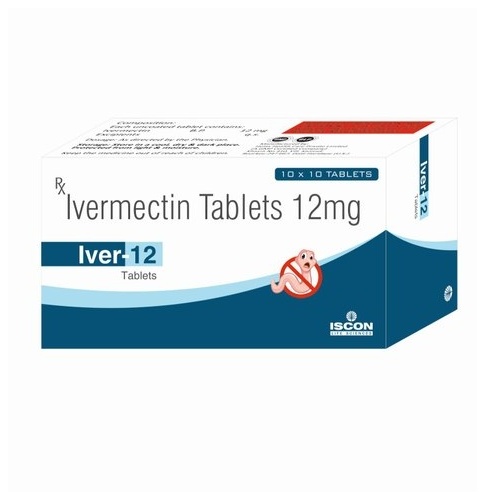
Can Stromectol (Ivermectin) Be Obtained Without a Prescription in the United Kingdom?
No, Stromectol (ivermectin) cannot be obtained without a prescription in the United Kingdom. It is a prescription-only medication regulated by the Medicines and Healthcare products Regulatory Agency (MHRA). Legal access requires assessment and authorisation by a qualified healthcare professional.
Key Takeaways
- Stromectol (ivermectin) is strictly prescription-only in the UK and is not available over the counter.
- It is primarily indicated for certain parasitic infections—not for viral illnesses such as COVID-19.
- A doctor’s assessment is required to determine if it’s suitable and safe for your condition.
- Side effects can be significant, especially in certain patient groups—never use without medical supervision.
- Genuine Stromectol should be sourced via a licensed UK pharmacy after prescription, to avoid counterfeit risks.
- Consult your GP or an infectious disease/antiparasitic specialist if you believe you may need ivermectin-based treatment.
What Is Stromectol (Ivermectin) and Who Needs It?
Stromectol is the brand name for ivermectin, an antiparasitic medication. In the UK, its use is authorised only for a limited range of parasitic infections—most commonly strongyloidiasis (intestinal threadworm) and onchocerciasis (river blindness), and occasionally for scabies or other rare infestations if alternatives are unsuitable. It is not licensed in the UK for viral diseases or routine use in animals or humans outside these specific parasitic indications (NHS).
Ivermectin works best for patients with certain confirmed parasitic infections, especially where first-line therapies have failed or are contraindicated. It is not a general-purpose anti-infective, and its misuse can be dangerous.
How Does Stromectol (Ivermectin) Work? The Science Explained
Stromectol’s active ingredient, ivermectin, targets glutamate-gated chloride channels found in the nervous system and muscle cells of many invertebrate parasites. When ivermectin binds to these channels, it increases the influx of chloride ions, resulting in paralysis and death of the parasite. This is highly selective: mammalian (human) nerve and muscle cells lack these channels, which is why, at recommended doses, ivermectin is generally safe for humans (EMA).
- Biochemical action: Agonist of glutamate-gated chloride channels, causing cell hyperpolarisation and paralysis in parasites.
- Is external activation needed? No. The drug binds these channels as long as it is present in the bloodstream.
Metaphor: Imagine the parasite’s nervous system as an electric grid. Stromectol throws all the switches open, causing a circuit overload and shutting down the parasite’s ability to move or feed.
Myth vs Reality: Myth: Stromectol kills all pathogens. Reality: It is only effective against certain parasites, not bacteria or viruses.
How Is Stromectol Processed in the Body? (Pharmacokinetics)
- Absorption: Stromectol is best absorbed when taken on an empty stomach; fatty meals can increase absorption, sometimes unpredictably.
- Metabolism: Primarily processed in the liver (via CYP3A4 enzymes).
- Elimination: Excreted mainly via the faeces, very little via urine.
- Half-life (T1/2): About 12–36 hours in healthy adults (PubMed).
Expert Commentary: Misunderstandings About Treatment Outcomes and Real-World Challenges
In my practice, patients often expect rapid, almost immediate relief from symptoms after a single dose of Stromectol. However, the clinical reality is more nuanced. The medication starts working against parasites systemically, but symptom improvement—especially for skin infestations like scabies—may take several days. Some patients misinterpret ongoing symptoms as treatment failure, when in fact, immune response and residual inflammation can persist even after the parasites are eradicated. It’s also common for patients not to ask about post-treatment care, such as dealing with lingering skin irritation or when to seek follow-up. A key challenge is managing expectations and ensuring patients understand that successful elimination of the parasite does not always mean an instant disappearance of all symptoms.
How Should Stromectol Be Taken? Dosage and Practical Administration in the UK
Stromectol dosage must be tailored to each individual and indication by a doctor. The following points provide general guidance, but never self-dose—always follow your prescription:
- Standard adult dose for strongyloidiasis: 200 mcg per kg body weight as a single oral dose.
- For onchocerciasis: 150 mcg per kg as a single dose; may be repeated after several months if needed.
- For scabies (unlicensed use): UK guidelines occasionally allow 200 mcg/kg, typically repeated after 1–2 weeks.
- Maximum daily dose: Do not exceed 400 mcg/kg without explicit specialist advice.
- Special populations: Dose adjustments are often required for elderly patients and those with liver impairment—specialist input is essential.
- Tablet splitting: Stromectol tablets are not scored and should generally be swallowed whole.
Peak effect: Most patients achieve peak blood levels within 4–5 hours. Effects on parasites may take 24–48 hours to become clinically apparent.
How Does Food, Alcohol, and Lifestyle Affect Stromectol?
- Food: Taking Stromectol on an empty stomach is recommended. High-fat meals can increase blood levels by up to 2.5 times, which may increase side effects (EMA).
- Alcohol: Moderate alcohol intake is unlikely to interact directly, but alcohol can worsen liver function and side effects. Strictly avoid excessive drinking during treatment.
- Grapefruit juice: Potentially increases blood levels of ivermectin; it is safest to avoid grapefruit and grapefruit products during therapy.
- Lifestyle: No known direct effect on physical or mental function at recommended doses. If you feel dizzy or unwell, do not drive or operate machinery.
| Product/Medication | Can it be combined? | Consequences/Advice |
|---|---|---|
| Paracetamol | Yes | No significant interaction |
| Alcohol (moderate) | With caution | May increase side effects, avoid excess |
| Liver enzyme inducers (e.g., rifampicin) | With caution | May reduce effectiveness of Stromectol |
| Grapefruit juice | No | May dangerously increase drug levels |
| Warfarin | With caution | Possible interaction—monitor INR |
Who Should Not Take Stromectol? (Absolute and Relative Contraindications)
Absolute contraindications:
- Known allergy to ivermectin or excipients in the formulation.
- Children under 15kg in body weight—safety not established.
- Severe liver impairment—ivermectin is metabolised in the liver, increasing toxicity risk.
- Meningitis or CNS disorders: Risk of ivermectin crossing the blood-brain barrier and causing neurotoxicity.
Relative contraindications (use with caution):
- Elderly patients—greater sensitivity to side effects.
- Pregnant or breastfeeding women—data is limited; use only if benefit outweighs risk (NHS).
- Patients with moderate liver disease—require specialist assessment.
For most people with a history of severe allergic reactions, immunosuppression, or complex chronic disease, specialist consultation is essential before treatment.
What Side Effects Are Most Common with Stromectol?
Side effects vary by indication, dose, and patient factors. Below are categories based on frequency and mechanism:
- Very common (>10%):
- Mild gastrointestinal upset (nausea, diarrhoea, abdominal pain)
- Itching and skin rash (especially in onchocerciasis—may be due to dying parasites)
- Dizziness
- Common (1–10%):
- Headache
- Fatigue
- Muscle or joint pain
- Fever (often due to immune response to parasite death)
- Rare (0.1–1%):
- Changes in blood pressure (hypotension)
- Visual disturbances
- Very rare (<0.1%):
- Severe allergic reaction (anaphylaxis)
- Seizures or confusion (usually with overdose or CNS disease)
Mechanism: Most side effects stem from the body’s response to dying parasites (e.g., skin rash, fever) or, at higher levels, from ivermectin’s effect on the central nervous system.
What to do if side effects occur: Mild symptoms are usually self-limiting. Seek immediate medical attention if you experience allergic reactions, severe dizziness, fainting, visual changes, or any neurological symptoms.
Common Mistakes Patients Make with Stromectol—and How to Avoid Them
- Taking with food when not advised: Patients sometimes take Stromectol with fatty meals, believing it improves absorption. While this is partly true, it can increase side effects and is generally not recommended unless specifically instructed.
- Stopping treatment too early: Some stop after a single dose when symptoms persist, not realising follow-up doses or alternative measures may be necessary for complete eradication of certain parasites.
- Ignoring the need for repeat assessment: Patients may skip follow-up, missing detection of reinfection or incomplete clearance.
- Using non-prescribed or imported products: Buying from unregulated sources exposes the patient to counterfeit or substandard medicines, with serious risks.
- Not disclosing all current medications or medical conditions: Failing to inform the doctor can result in harmful drug interactions or exacerbation of preexisting health problems.
To avoid these pitfalls, always follow your doctor’s instructions, attend follow-up appointments, and disclose all medications and medical history before starting Stromectol.
How Does Stromectol Compare to Other Antiparasitic Treatments?
| Medication | Indications | Onset of Action | Duration of Effect | Common Side Effects | Approximate Cost (per course, £) |
|---|---|---|---|---|---|
| Stromectol (ivermectin) |
Strongyloidiasis, onchocerciasis, scabies (unlicensed) | 24–48 hours | 1 dose or repeated after 1–2 weeks | GI upset, dizziness, skin rash | £30–£60 |
| Albendazole | Various helminthic infections | 24–72 hours | 1–3 days | GI upset, headache | £15–£30 |
| Mebendazole | Pinworm, roundworm, hookworm | 24–48 hours | 3 days | GI upset, rash (rare) | £8–£15 |
Note: Prices are indicative for 2026 and may vary by pharmacy or NHS reimbursement. Stromectol is generally reserved for cases where these alternatives are ineffective or inappropriate.
Stromectol: Technical and Reference Data
| Parameter | Value |
|---|---|
| Active ingredient | Ivermectin |
| Formulation | Tablets (3 mg, 6 mg) |
| Indications (UK) | Strongyloidiasis, onchocerciasis, scabies (off-label) |
| Legal status | Prescription only |
| Absorption peak | 4–5 hours |
| Half-life (T1/2) | 12–36 hours |
| Metabolism | Hepatic (CYP3A4) |
| Excretion | Mainly faeces |
| Storage | Below 25°C, dry place |
| Colour/shape | White, round, unscored tablet |
Step-by-Step: How to Obtain Stromectol Legally in the United Kingdom
- Consult your GP or a specialist (infectious diseases or dermatology) to discuss symptoms and appropriate testing.
- Undergo appropriate diagnostic testing (e.g., stool sample, skin scraping, blood tests) to confirm parasitic infection.
- Receive a personalised treatment plan—your doctor will determine if Stromectol is indicated and safe for you.
- Doctor issues a prescription if appropriate, following UK regulations.
- Take your prescription to a licensed UK pharmacy, or use a registered online pharmacy with NHS or MHRA accreditation.
- Pharmacy dispenses the medication after verifying the prescription and providing usage instructions.
- Attend follow-up as advised to monitor treatment success and side effects.
Country-Specific Guide: How to Identify a Safe Pharmacy in the UK
To ensure your Stromectol is genuine, only use pharmacies that are:
- Registered with the General Pharmaceutical Council (GPhC)—look for the GPhC logo and registration number.
- Listed on the NHS pharmacy finder.
- Displaying clear contact details, including a UK address and phone number.
- Requiring a valid prescription for Stromectol.
Warning signs of unsafe sellers:
- Websites offering prescription-only medicines without prescription requirement.
- No clear UK pharmacy registration details.
- Unusually low prices or “bulk deals.”
- No access to a registered pharmacist for advice.
Buying from unlicensed or overseas pharmacies risks receiving counterfeit or substandard products, which may be harmful or ineffective.
How to Spot Counterfeit Stromectol and the Role of Generics
- Packaging: Manufacturer’s name (Merck or approved generic company) clearly printed, batch number, expiry date, and UK pharmacy sticker if dispensed locally.
- Tablet: White, round, with clear engraving or branding; not scored.
- Security features: Some generics include QR codes, holograms, or tamper-evident seals.
Red flags: Misspelt labels, faded or inconsistent fonts, unusual shapes or colours, and prices much lower than UK pharmacy estimates.
What are generics? Generic ivermectin tablets contain the same active ingredient as branded Stromectol, but may use different excipients (inactive ingredients). These are strictly regulated for safety. Generics are usually less expensive and equally effective, but if you have allergies to specific fillers or binders, discuss with your pharmacist or doctor.
Special Patient Groups and Safety Considerations
- Children: Not recommended under 15kg bodyweight or under 5 years of age.
- Elderly: Dose may need to be adjusted; increased risk of neurological side effects.
- Liver disease: Stromectol is metabolised in the liver; use is contraindicated in severe impairment and requires caution in moderate cases.
- Pregnant/breastfeeding: Use only if no safer alternatives exist; data is limited on foetal risk (NHS).
- Immunocompromised patients: Higher risk for adverse events; specialist supervision is mandatory.
- Driving/machinery: If you feel dizzy or drowsy, avoid driving or operating heavy machinery until effects subside.
- Fertility: No documented effect on fertility based on current evidence, but long-term safety data is limited.
What to Do in Case of Stromectol Overdose
- Stop taking Stromectol immediately.
- Call 999 or NHS 111 and state clearly the medication, dose, and time taken.
- Do not attempt to induce vomiting unless instructed by a healthcare professional.
- Bring the medication packaging for emergency staff to identify the product.
- Monitor for symptoms: confusion, seizures, severe dizziness, vision changes, or shortness of breath require urgent care.
Psychological Perspective: You Are Not Alone
Parasitic infections can affect anyone and may carry a social stigma. It’s important to remember these conditions are treatable, and seeking help is a sign of responsibility, not weakness. If you feel anxiety or embarrassment, consider discussing your experience with a trusted professional or support group. Many people make a full recovery with proper medical guidance.
Questions Commonly Asked by Patients: Insights from Clinical Practice
-
How will I know if Stromectol is working?
Clinically, improvement is usually seen within a few days, but this varies depending on the infection. For skin conditions, itching may persist even after the parasite is gone due to inflammation. We often schedule follow-up tests or examinations to confirm treatment success. -
Can I take Stromectol if I’ve recently finished antibiotics or antifungals?
There are generally no direct interactions, but it is important to review your full medication list with your doctor, as some drugs can affect how Stromectol is metabolised. -
Should family members be treated as well?
For contagious infestations such as scabies, we often recommend that close contacts are evaluated for treatment, even if asymptomatic. This should be coordinated with your GP. -
What should I do if symptoms return weeks after treatment?
Relapse or reinfection can occur. Arrange another assessment rather than self-medicating, as a different approach may be needed. -
Is it safe to use Stromectol for pets or animals?
Human and veterinary formulations are not interchangeable. Never use animal products in humans. Veterinary ivermectin may have different concentrations or non-pharmaceutical-grade excipients. -
How do you monitor for side effects?
I advise patients to report any neurological symptoms, severe rash, or signs of allergy immediately. Routine blood tests are not usually required unless the patient has liver disease or other risk factors. -
Can Stromectol be used for viral infections like COVID-19?
Current UK and international guidelines do not support the use of ivermectin for COVID-19 or other viral infections outside clinical trials. Evidence to date does not demonstrate benefit and may cause harm.
Frequently Asked Questions About Stromectol in the UK
What conditions is Stromectol prescribed for in the UK?
Stromectol (ivermectin) is indicated for certain parasitic infections such as strongyloidiasis and onchocerciasis. Off-label use for scabies may be considered by specialists if other treatments have failed or are unsuitable.
Is a prescription always required for Stromectol in the UK?
Yes, Stromectol is a prescription-only medicine. It cannot be legally obtained without assessment by a UK-registered doctor.
How quickly does Stromectol start to work?
Most patients see initial improvement within 24–48 hours, though complete relief of symptoms, especially in skin conditions, may take several days to weeks.
Are side effects common with Stromectol?
Mild side effects like nausea, dizziness, or itching are fairly common. Serious side effects are rare but possible, especially in vulnerable groups or with incorrect use. Contact your doctor if you experience severe or unexpected symptoms.
Can I buy Stromectol from an online pharmacy?
Only if the pharmacy is registered in the UK, displays a GPhC logo, and requires a prescription. Avoid any website offering Stromectol without prescription—these are likely illegal and potentially unsafe.
What is the cost of Stromectol in the UK?
Prices typically range from £30–£60 per treatment course, depending on dose, pharmacy, and whether it is a branded or generic product. NHS prescription charges may apply; some patients may be exempt depending on circumstances.
What should I do if I miss a dose?
If you miss a scheduled dose, take it as soon as you remember unless it’s almost time for the next dose. Do not double up. Contact your doctor for advice tailored to your treatment plan.
Are there alternatives if I cannot take Stromectol?
Yes. Albendazole and mebendazole are alternatives for certain indications; your doctor will suggest the most appropriate medicine based on the parasite and your health profile.
Can children take Stromectol?
It is not generally recommended for children under 15 kg or under 5 years of age in the UK. Paediatric use should only be under specialist guidance.
Does Stromectol interact with other medicines?
Yes, especially drugs affecting liver enzymes such as some antibiotics or antifungals. Always provide your doctor with a complete medication list before starting Stromectol.
Professional Clinical Assessment by doctor: When Stromectol Is Right—And When to Consider Alternatives
In my clinical judgment, Stromectol is most suitable for adults and older children who have confirmed infections caused by susceptible parasites and have either failed, not tolerated, or are contraindicated for first-line treatments. For example, in cases of strongyloidiasis refractory to standard therapy, or severe scabies in immunocompromised patients, Stromectol provides a valuable systemic option. However, it is not ideal for patients with significant liver impairment, those with a history of severe allergic reactions to antiparasitics, or for unapproved indications such as viral infections. In pregnant women and young children, I exercise particular caution and only prescribe if benefits clearly outweigh risks. If a patient experiences significant side effects or shows no improvement after the prescribed regimen, I typically reassess for alternative diagnoses or consider other anti-parasitic medications. Ultimately, careful patient selection, monitoring, and adherence to updated UK clinical guidelines are critical to maximising benefit and minimising harm.
References
- Medicines and Healthcare products Regulatory Agency (MHRA), https://www.gov.uk/government/organisations/medicines-and-healthcare-products-regulatory-agency
- European Medicines Agency (EMA), Stromectol, https://www.ema.europa.eu/en/medicines/human/EPAR/stromectol
- National Health Service (NHS), Ivermectin, https://www.nhs.uk/medicines/ivermectin/
- PubMed: Baraka OZ et al., “Ivermectin Pharmacokinetics in Humans,” https://pubmed.ncbi.nlm.nih.gov/25880349/
- World Health Organization (WHO), Ivermectin fact sheet, https://www.who.int/news-room/fact-sheets/detail/ivermectin