- Home/
- Buy Doxycycline in Online Pharmacy – Fast UK Delivery Available
Doxycycline in United Kingdom: The Ultimate Patient & Prescriber Guide 2026
Can I obtain Doxycycline without prescription in United Kingdom?
No, purchasing Doxycycline without prescription is illegal in the United Kingdom. All systemic antibiotics, including Doxycycline, require a prescription from a licensed healthcare professional. This legislation is enforced to curb antibiotic resistance, ensure correct diagnosis, and minimise harm. Unauthorised sources for Doxycycline online or in person are not only unlawful but may also supply counterfeit or unsafe medication.
Doxycycline at a Glance: Key Facts for UK Patients
- Active ingredient: Doxycycline (as hyclate or monohydrate)
- Main indications: Broad-spectrum antibiotic for respiratory, urinary, skin, tick-borne, and some sexually transmitted infections
- Prescription status: Prescription-only medicine (POM) in United Kingdom
- Typical onset: Clinical improvement seen within 24–72 hours after starting
- Major contraindication: Pregnancy, children under 12, severe liver failure
- Latest NHS cost data (2026): £4–£12 for a typical 7-day course (varies by pharmacy and formulation)
- Legal purchase: Only via UK-registered pharmacies or NHS/GP prescription (in person or through a registered telemedicine service)
- Buy Doxycycline online: Legal only with a valid prescription
How Does Doxycycline Work in the Body?
Doxycycline belongs to the tetracycline class of antibiotics. It acts by binding to the 30S ribosomal subunit of bacteria, inhibiting protein synthesis required for bacterial growth and replication (EMA). Its action is bacteriostatic (it stops bacteria from multiplying), not bactericidal (does not directly kill). Doxycycline is active against a wide variety of Gram-positive and Gram-negative organisms, atypical bacteria (such as Mycoplasma and Chlamydia), and certain parasites (like Plasmodium in malaria prophylaxis).
Once taken orally, Doxycycline is absorbed in the upper small intestine, reaches peak blood plasma concentrations in 1–2 hours, and distributes well into tissues, including the respiratory tract, skin, and genitourinary system. Metabolism occurs minimally in the liver, with most of the drug excreted via the bile and urine. The elimination half-life is approximately 18–22 hours, allowing for once or twice daily dosing (NHS).
Metaphor: Think of Doxycycline as “jamming the machinery” inside the bacterial cell, so it can no longer build the proteins it needs to survive or reproduce.
Clinical nuance: Unlike some antibiotics, Doxycycline’s absorption is not significantly reduced by food but may be affected by dairy and antacids (see food & lifestyle). Its effectiveness depends on achieving sufficient blood levels—missing doses or stopping early can lead to treatment failure and resistance.
Expert Commentary from doctor
In routine clinical practice, one of the most frequent problems I encounter with Doxycycline is poor adherence: patients often stop the course early when they feel better. This significantly increases the risk of relapse and contributes to antibiotic resistance, which is a major public health concern in United Kingdom. Another recurring issue is the unintended interaction with over-the-counter antacids or supplements containing calcium, iron, or magnesium, which can drastically reduce Doxycycline absorption and make the therapy ineffective. I advise my patients to always inform their pharmacist about all concurrent medicines and supplements, and to complete the full prescribed course even if symptoms resolve after a few days.
What is the correct dosage and usage for Doxycycline?
| Indication | Adult Dose | Duration | Notes |
|---|---|---|---|
| Respiratory/skin infections | 200 mg day 1, then 100 mg daily | 7–14 days | Twice daily if severe |
| Chlamydia | 100 mg twice daily | 7 days | Sexual partner treatment recommended |
| Malaria prophylaxis | 100 mg daily | Start 1–2 days before travel, continue 4 weeks after | Check destination-specific advice |
- Maximum dose: Usually 200 mg per day. Never exceed unless instructed by your prescriber.
- Special populations: For elderly, renal, or hepatic impairment, standard adult doses usually apply, but prescriber discretion is essential. Children under 12 years: contraindicated due to risk of permanent tooth discoloration and bone effects.
- Tablet splitting: Some Doxycycline tablets may be scored, but confirm with your pharmacist before splitting; not all formulations are intended to be divided.
- Missed dose: Take as soon as you remember, unless it’s close to your next dose. Never double up.
Onset of action: Some improvement is typically seen after 24–48 hours, but the full course must be completed even if you feel better.
How do food, drink, and lifestyle affect Doxycycline’s effectiveness?
- With or without food?
- Doxycycline may be taken with food to reduce stomach upset, but absorption can be reduced by dairy (milk, cheese, yoghurt), calcium supplements, iron, magnesium, and aluminium-containing antacids. Separate these by at least 2 hours from your dose.
- Alcohol
- Occasional moderate amounts (up to 1–2 units/day) are not strictly contraindicated but may reduce effectiveness and increase stomach irritation. Heavy or chronic alcohol use impairs liver function and should be strictly avoided.
- Grapefruit juice
- No clinically relevant interaction reported in current research (PubMed 2024 review), but caution is advised as with all medicines metabolised in the liver.
- Supplements/OTC products
- Antacids, multivitamins with minerals, and some laxatives can interfere with absorption. Always check with your pharmacist.
Myth vs Reality:
Myth: “Taking Doxycycline with milk is fine.”
Reality: Dairy can drastically reduce the drug’s absorption. Take with water, and avoid milk at the same time.
Who should never take Doxycycline? Contraindications and red flags
| Absolute (Never Use) | Relative (Use Only If No Alternative) |
|---|---|
|
|
Drug interactions: Doxycycline must not be used with isotretinoin (risk of increased intracranial pressure), retinoids, or other tetracyclines. Use caution if taking anticoagulants—monitor INR closely.
How long after a major condition (e.g., recent liver failure)? Doxycycline may only be considered after specialist review and stabilisation of the underlying disease.
What side effects are most common with Doxycycline?
| Frequency | Side Effect | Mechanism/Notes |
|---|---|---|
| Very common (>1 in 10) | Gastrointestinal upset (nausea, diarrhoea), photosensitivity (skin rash/sunburn) | Direct irritation of gut lining; increased UV skin sensitivity |
| Common (1–10%) | Headache, loss of appetite, oral/vaginal thrush | Alteration of normal flora or gut-brain axis |
| Rare (<1%) | Oesophageal ulceration, severe allergic reaction, liver inflammation | Usually due to taking tablets without enough water or existing allergies |
| Very rare (<0.01%) | Increased intracranial pressure (pseudotumor cerebri), blood disorders | Idiosyncratic; requires immediate discontinuation and medical review |
- If you experience severe allergic reaction (swelling, difficulty breathing, rash): Stop Doxycycline immediately and seek emergency care (dial 999 in United Kingdom).
- For photosensitivity: Use broad-spectrum sunscreen, avoid direct sunlight or sunbeds while taking Doxycycline and for several days after.
Common Patient Mistakes Observed by doctor
-
Stopping Doxycycline as soon as symptoms improve:
This can result in incomplete cure and promotes resistant bacteria. Always finish your prescribed course unless told otherwise by a doctor. -
Taking Doxycycline with milk, antacids, or iron tablets:
Dairy and certain supplements reduce absorption. Separate by at least two hours. -
Lying down soon after taking the tablet:
This increases the risk of oesophageal irritation or ulcers. Take with a full glass of water and remain upright for 30 minutes. -
Sharing antibiotics with others:
Unsafe, illegal, and may worsen antibiotic resistance. -
Purchasing from unregulated sources advertising Doxycycline cheap and “no prescription needed”:
High risk of counterfeit products and legal penalty in United Kingdom.
Doxycycline vs Alternatives: How Does it Compare?
| Drug | Class | Indications | Onset | Major Side Effects | Cost/course (NHS 2026) |
|---|---|---|---|---|---|
| Doxycycline | Tetracycline | Broad (respiratory, skin, STI, malaria) | 24–48 hrs | GI upset, sun sensitivity | £4–£12 |
| Amoxicillin | Penicillin | Respiratory, skin, UTI | 24–48 hrs | Allergy, GI upset | £2–£8 |
| Clarithromycin | Macrolide | Respiratory, skin, atypicals | 24–48 hrs | GI upset, taste changes, QT prolongation | £7–£15 |
Bottom line: Doxycycline is often chosen for atypical infections, tick-borne diseases, and patients allergic to penicillins. Its main disadvantage is the risk of sun sensitivity and unsuitability for children or pregnant women. Amoxicillin is generally first-line for most respiratory infections if no allergy. Always consult your GP for the most appropriate therapy.
Questions Frequently Asked to doctor
- Is it safe to drink alcohol while taking Doxycycline?
- Moderate drinking (1–2 units) is not strictly forbidden, but heavy or chronic alcohol use can impair the effectiveness and increase liver risk. My advice: avoid alcohol during your course for best results.
- What if I forget a dose?
- Take it as soon as you remember unless it’s almost time for your next dose. Never double up. Skipping doses can reduce effectiveness and promote resistance.
- Can I take Doxycycline long-term?
- Some conditions (like acne or malaria prevention) may require prolonged use. However, extended courses increase the risk of gut flora disruption, thrush, and rare side effects. Regular monitoring by your doctor is essential.
- Can children take Doxycycline?
- No, except in rare, critical situations and only under hospital specialist supervision, due to the risk of tooth and bone effects in children under 12.
- Are there any interactions with contraception?
- Doxycycline does not reduce the effectiveness of the combined oral contraceptive pill. However, severe vomiting or diarrhoea from any cause may do so—use additional protection if unsure.
- Should I stop Doxycycline if I get a rash?
- If you develop a skin rash, particularly with fever, mouth ulcers, or swelling, stop taking it and seek medical advice immediately as some allergic reactions can be serious.
- Is Doxycycline suitable for older adults?
- Yes, in most cases standard doses apply. However, extra care is needed for those with liver or kidney problems, and in frail patients at risk of side effects like photosensitivity.
Doxycycline: Key Characteristics Table
| Parameter | Value |
|---|---|
| Prescription required in UK? | Yes |
| Formulations available | Capsules, tablets (50 mg, 100 mg), dispersible, oral suspension |
| Usual adult dose | 100–200 mg per day |
| Peak plasma time | 1–2 hours after oral dose |
| Half-life (T1/2) | 18–22 hours |
| Metabolism | Minimal (mainly hepatic) |
| Elimination | Bile, urine (unconjugated, active) |
| Buy Doxycycline online? | Legal only via registered UK pharmacy with prescription |
How to obtain Doxycycline legally in United Kingdom: Step-by-step
-
Consult a qualified healthcare professional:
Book an appointment with your NHS GP, local private clinic, or a registered telemedicine provider in the UK. -
Receive diagnosis and prescription:
After assessment, if appropriate, you’ll receive a prescription (paper or electronic). -
Order Doxycycline:
Present your prescription at a local pharmacy, or upload it to a registered UK online pharmacy (check for the green cross logo and Medicines and Healthcare products Regulatory Agency (MHRA) registration). -
Purchase Doxycycline:
Pay the NHS prescription charge (currently £9.65 per item in 2026), unless exempt, or the private pharmacy fee (may vary). -
Receive your medication:
Collect in person or arrange secure delivery. Never use sites advertising Doxycycline without prescription—they are illegal and unsafe.
How to buy Doxycycline safely online and in UK pharmacies
- Buy Doxycycline only from registered UK pharmacies. Always check for the MHRA distance selling logo (green cross) and verify the pharmacy’s registration on the MHRA website.
- Order Doxycycline online via telemedicine services that provide a proper health questionnaire and doctor review before issuing a prescription.
- Purchase Doxycycline in pharmacy after prescription validation—never from unregulated sellers or sites advertising “Doxycycline without prescription” or “Doxycycline cheap” without proper checks.
- Tip: If a site offers to sell Doxycycline in United Kingdom with no prescription or at a price far below NHS/private pharmacy rates, it’s likely counterfeit or illegal.
- Reporting suspected counterfeits: Contact MHRA or your local Trading Standards office.
How to recognise genuine vs counterfeit Doxycycline in United Kingdom
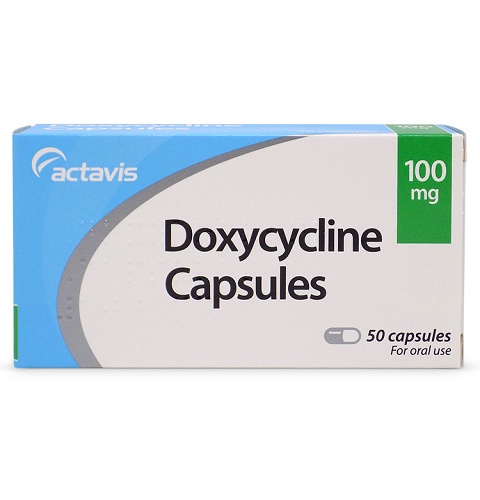
- Packaging: Genuine packs are well-printed, with clear batch numbers, expiry dates, MHRA licensing info, and (for generics) the manufacturer’s name (e.g., Actavis, Mylan, Teva).
- Tablets/capsules: Consistent colour, size, shape; no crumbling, powder, or off odour.
- Security features: Some UK brands use QR codes, holograms, or tamper-evident seals.
- Leaflet: Always included with correct English language, UK marketing authorisation number, and up-to-date warnings.
- Price: Beware of prices much lower than £4–£12 per standard course. “Too cheap” is a red flag.
Generics: NHS and private prescriptions may be dispensed as generic Doxycycline, which is therapeutically equivalent to the branded version. All generics sold in United Kingdom must meet stringent quality standards and are approved by the MHRA.
Original versus generic Doxycycline: What you need to know
- What are generics?
- Medicines containing the same active ingredient, dosage, and formulation as the original brand, but made by different manufacturers after the patent expires.
- Do generics work as well?
- Yes. In United Kingdom, all generic Doxycycline must demonstrate bioequivalence and undergo quality control by the MHRA.
- Are generics safe?
- Yes. However, excipients (inactive ingredients like binders or dyes) may differ between brands. Rarely, these can cause mild allergic reactions (rash, GI upset) in sensitive individuals. If you have allergies, check with your pharmacist.
- Price difference?
- Generics are typically more affordable than branded versions. On the NHS, you will be charged the standard prescription fee unless exempt. Private pharmacy prices may vary.
Myth vs Reality:
Myth: “Cheaper generics are inferior.”
Reality: All NHS-dispensed generics are held to the same safety and effectiveness standards as branded Doxycycline.
What should special patient groups know about Doxycycline?
- Kidney disease: No dosage adjustment usually required, but monitor for side effects.
- Liver impairment: Caution advised; avoid in severe hepatic failure.
- Elderly: Standard dosing is generally safe; increased photosensitivity risk. Monitor for GI side effects.
- Pregnancy/Breastfeeding: Contraindicated. Even short courses can risk foetal bone and teeth abnormalities.
- Driving/operating machinery: Doxycycline does not usually impair ability. However, if you experience headache, dizziness, or visual disturbance, do not drive.
- Fertility: No evidence of impact on male or female fertility at therapeutic doses.
Doxycycline compatibility with other medicines and products
| Product/Drug | Can it be combined? | Consequences/Advice |
|---|---|---|
| Paracetamol | Yes | No significant interaction |
| Ibuprofen | Yes | OK for occasional use |
| Oral contraceptives | Yes | No direct effect; vomiting/diarrhoea may reduce pill reliability |
| Warfarin | With caution | May increase INR—monitor closely |
| Milk/Dairy | NO | Reduces absorption—separate by 2 hours |
| Iron/calcium supplements | NO | Reduces absorption—separate by 2 hours |
| Antacids | NO | Reduces absorption—separate by 2 hours |
| Alcohol (moderate) | Occasionally | Best avoided |
Overdose and emergencies: What to do if you’ve taken too much Doxycycline
- Stop Doxycycline immediately.
- Call NHS 111 or, for urgent symptoms (severe vomiting, confusion, breathing difficulty), dial 999.
- Provide the emergency operator or doctor with the number of tablets/capsules taken, approximate time, and any symptoms.
- Do not induce vomiting unless instructed by a medical professional.
- Bring the medication packaging with you to hospital.
Symptoms of overdose may include severe nausea, vomiting, confusion, or liver problems. There is no specific antidote—treatment is supportive.
What should I do if Doxycycline does not work for me?
- Do not increase your dose or take extra tablets without consulting your doctor.
- If your symptoms worsen or do not improve within 72 hours, speak to your GP or out-of-hours service.
- Sometimes, the bacteria may be resistant, or another diagnosis may need to be considered.
- Do not share leftover antibiotics or seek Doxycycline without prescription from unregulated sources—this is unsafe and illegal.
Psychological support and living with infections: You’re not alone
Many bacterial infections can be distressing, especially if symptoms are persistent or socially embarrassing (e.g., acne, STIs). Remember, these are common and treatable conditions. If you are struggling to cope or worried about stigma, speaking openly with your GP or a support organisation can be very helpful. You’re not alone—millions in United Kingdom receive antibiotic treatment every year.
Doxycycline Quality Check: Ensuring your supply is legit
- Check for intact outer packaging with UK-specific labelling, batch and expiry details.
- Look for a patient information leaflet in English (with updated 2026 warnings and MHRA number).
- Tablets or capsules should be uniform in appearance, with no discolouration, cracking, or foreign particles.
- Some brands feature QR codes or holograms for authenticity (scan if in doubt).
- If in doubt, ask your pharmacist to confirm—never take medicine you are unsure about.
- Price far below £4–£12 per pack is a red flag for counterfeits.
Professional Opinion of doctor
In my professional experience, Doxycycline remains a cornerstone antibiotic in United Kingdom clinical practice—particularly for respiratory tract infections, sexually transmitted infections like chlamydia, and tick-borne diseases. Its broad spectrum, convenient dosing, and widespread availability in pharmacies make it a practical choice for many patients. However, it is not suitable for everyone. The risks in pregnancy, young children, and the potential for sun sensitivity cannot be understated. Furthermore, the rise in resistant bacteria means I am increasingly selective, reserving Doxycycline for cases where it is truly indicated by current UK clinical guidelines. For those with allergies to penicillin, or in scenarios where atypical pathogens are likely, Doxycycline offers good coverage. I always stress to my patients: complete your prescribed course, and beware of seeking “Doxycycline without prescription” or from non-UK sources, as this jeopardises your safety and public health.
Frequently Asked Questions
- Can I buy Doxycycline without prescription in United Kingdom?
- No—by law, you need a valid prescription from a UK licensed practitioner.
- Is it possible to order Doxycycline online legally?
- Yes, but only through a registered UK online pharmacy after a proper consultation and prescription verification.
- How much does Doxycycline cost in UK pharmacies?
- Typically £4–£12 per course on prescription, depending on the formulation and pharmacy.
- What are the most common side effects?
- Stomach upset, nausea, and increased sun sensitivity are most frequent. Serious reactions are rare.
- Can I take Doxycycline with other antibiotics?
- Sometimes, but only if prescribed. Do not self-combine antibiotics—always follow your doctor’s instructions.
- Is it safe to drive while taking Doxycycline?
- Usually, yes. If you develop dizziness or vision changes, avoid driving and consult your doctor.
- What should I do if I miss a dose?
- Take it as soon as you remember unless it’s nearly time for the next dose. Do not double-up.
- Can I get Doxycycline cheap if I use a generic?
- Yes. NHS-dispensed generics cost the same as branded, and private pharmacy prices for generics are usually lower.
- Does Doxycycline treat viral infections (like flu or COVID-19)?
- No. Doxycycline is only effective against certain bacteria and some parasites—not viruses.
- How can I check if my Doxycycline is genuine?
- Buy only from UK-registered pharmacies, check packaging, leaflet, and price. Suspect counterfeits if the price is unusually low or the packaging is poorly printed.
References
- Medicines and Healthcare products Regulatory Agency (MHRA). Official UK medicines regulation site. https://www.gov.uk/government/organisations/medicines-and-healthcare-products-regulatory-agency
- NHS. Doxycycline: Patient Information Leaflet. Accessed June 2026. https://www.nhs.uk/medicines/doxycycline/
- European Medicines Agency (EMA). Doxycycline assessment reports. https://www.ema.europa.eu/en
- British National Formulary (BNF). Doxycycline. Accessed June 2026. https://bnf.nice.org.uk/drugs/doxycycline/
- PubMed. “Tetracyclines: Mechanisms of Action and Resistance.” Review, 2024. https://pubmed.ncbi.nlm.nih.gov/
- World Health Organization (WHO). Antibiotic Resistance Factsheet. https://www.who.int/
- ClinicalTrials.gov. Doxycycline Ongoing Clinical Trials. https://clinicaltrials.gov/
Final note: Doxycycline is a widely used and effective antibiotic in United Kingdom, but always use under medical supervision. For more detailed advice, consult your GP, pharmacist, or a specialist in infectious diseases. Never attempt to buy Doxycycline without prescription or from unverified sources.