
- Home/
- Buy Clomid Online in the United Kingdom Safely and Conveniently
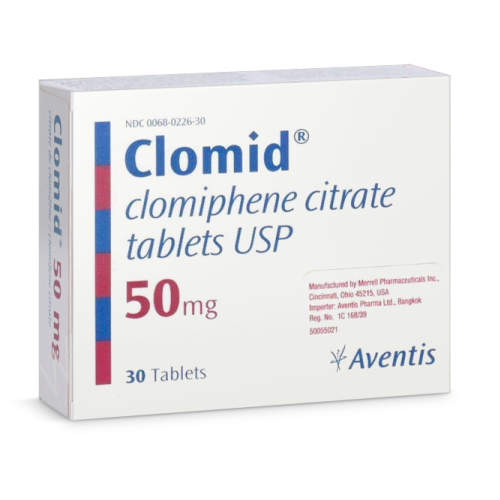
A Real Look at Clomid’s Role in Female Infertility in the UK
The consultation room is quiet, but the question hangs in the air: “Is Clomid really going to help us have a baby?” For thousands of women in the United Kingdom, Clomid (clomiphene citrate) represents both hope and uncertainty. It’s a name that comes up quickly in internet searches, whispered in online forums, mentioned by GPs. But for all its familiarity, the lived experience of starting Clomid is rarely discussed—and often misunderstood.
In the UK, female infertility isn’t just a medical diagnosis; it’s entangled with NHS funding rules, the backlog for specialist clinics, and the cultural hush that surrounds fertility struggles. Clomid sits at the crossroads of all these forces. It’s been used since the 1960s, and for good reason: for women who don’t ovulate regularly, especially due to conditions like polycystic ovary syndrome (PCOS), it can restore normal cycles and boost the chance of conception.
Yet success with Clomid isn’t just about starting a pill. The right diagnosis, careful timing, and honest conversations about the limits of treatment all matter. Many women imagine Clomid as a shortcut to pregnancy. In reality, it’s a carefully judged step—sometimes a door opener, sometimes a gentle “no” from the NHS when other factors are at play.
Who Clomid Helps—And Who It Usually Doesn’t
Ovulation is the dividing line for Clomid’s effectiveness. If you don’t ovulate regularly—whether due to PCOS, hypothalamic amenorrhoea, or unexplained reasons—Clomid may help. But if your cycles are already regular, or if there are issues with sperm, fallopian tubes, or the uterus, Clomid is unlikely to make a difference.
- Most likely to benefit: Women under 40 with proven ovulation disorders (especially PCOS) and otherwise healthy reproductive anatomy.
- Less likely to benefit: Women over 40, normal ovulation but unexplained infertility, significant male factor infertility, or previous Clomid cycles without response.
- Unlikely to benefit: Blocked fallopian tubes, severe endometriosis, ovarian failure (menopause), or where male infertility is the main cause.
Many expect Clomid to overcome any fertility issue. But ovulation is just one piece of the puzzle. In the UK, fertility clinics will rule out other causes before prescribing Clomid. This often means more tests—and sometimes, a difficult wait.
- Ovulation disorder
- Any condition where the ovaries do not release an egg each month, leading to irregular or absent periods.
If you’re unsure whether your fertility issue is likely to respond to Clomid, a specialist’s input is essential before starting. The NHS typically requires a full assessment before funding or prescribing Clomid.
Clomid vs. Other Fertility Medications: What’s Different, What Matters
Patients often ask, “Why Clomid and not something stronger?” The answer is part science, part practicality, and part health system culture. Clomid—officially clomiphene citrate—is unique among fertility drugs for its oral route, established safety profile, and its place as a first step in the UK fertility pathway.
| Attribute | Clomid (Clomiphene) | Letrozole | Gonadotrophin Injections |
|---|---|---|---|
| Primary Use | First-line for ovulation induction (esp. PCOS) | Increasingly used for PCOS; some use off-label | Second-line or for IVF/IUI; cases not responsive to oral agents |
| Route | Oral tablet | Oral tablet | Subcutaneous or intramuscular injection |
| Approved in UK | Yes (MHRA licensed) | Not licensed for infertility, but used off-label | Yes, under specialist care |
| Cost (typical UK) | Low (NHS covers, private ~£15-£30 per cycle) | Low-moderate (private only, ~£10-£30 per cycle) | High (£500+ per cycle, not generally NHS for first-line) |
| Effectiveness (PCOS) | ~60-80% ovulation; ~20-25% pregnancy per cycle | Similar or slightly better for some women with PCOS | Higher per-cycle pregnancy rates, but also higher risk of multiples |
| Main Risks | Hot flushes, mood swings, ovarian cysts, multiple pregnancy | Fatigue, dizziness, less risk of multiples | Ovarian hyperstimulation, strict monitoring needed |
| Monitoring Needed | Minimal, unless risk factors | Minimal, unless risk factors | Frequent blood tests & scans |
| Prescription Route | GP or fertility specialist | Specialist, off-label use | Fertility clinic only |
In real life, Clomid’s oral convenience and NHS coverage make it the practical first choice. Letrozole is sometimes favoured by fertility specialists—especially in PCOS—but it is not officially licensed for infertility in the UK and access may be limited. Gonadotrophin injections are reserved for cases where oral drugs fail or where IVF is planned, due to higher cost, more monitoring, and greater risk. The table above outlines these differences, but the practical outcome is this: most UK patients will be offered Clomid first if they meet the eligibility criteria.
What Starting Clomid Feels Like: From Prescription to First Cycle
The first prescription of Clomid rarely arrives without anxiety. For many, it’s the moment hope turns into action. But what does that first month actually involve? In the UK, the journey is shaped by whether you’re under NHS care or going private, and by the tight protocols that govern Clomid’s use.
- Eligibility assessment: Most women have undergone basic hormonal tests, ultrasound scans, and (where possible) semen analysis for their partner before Clomid is prescribed.
- Discussion of alternatives and risks: UK guidelines require your doctor to explain success rates, the risk of multiple pregnancy (twins or more), and when to stop if Clomid isn’t working.
- Starting the medication: The usual starting dose is 50 mg daily for five days, beginning on day 2 to 5 of your period. Some women start at a lower or higher dose if advised.
- Monitoring (if any): Unlike injectable fertility drugs, Clomid cycles often proceed without blood tests or scans unless there are concerns about over-response or risk factors (e.g., PCOS with very high oestrogen).
At every stage, the goal is to balance effectiveness with safety. In NHS practice, Clomid is rarely prescribed for more than six cycles. If no pregnancy occurs, further investigation or a referral for higher-level treatment follows.
How Well Does Clomid Work—And What Can Get in the Way?
For women with ovulation disorders, Clomid induces ovulation in around 60–80% of cases, according to UK clinical guidelines. But the pregnancy rate per cycle is lower, usually 20–25%. Why the gap? Even with restored ovulation, other factors—age, egg quality, sperm health, uterine conditions—still matter.
- Clomid is less effective in women over 37, and unlikely to help after age 40.
- Obesity can reduce the response to Clomid—weight loss is often advised before starting.
- Some women are “Clomid-resistant”. If ovulation doesn’t occur by the maximum dose (usually 150 mg), alternatives are reviewed.
It’s crucial to keep expectations realistic: Clomid does not guarantee pregnancy, even if ovulation resumes. For some, it opens the door to conception; for others, it clarifies the need for more advanced interventions.
“What I see most often is frustration when Clomid works on paper—hormone levels improve, cycles return—but pregnancy still doesn’t happen after several months. That’s when we need to look for less obvious issues, like mild sperm problems or subtle uterine factors. Clomid is a powerful tool, but it isn’t magic.”
The bottom line: success with Clomid depends on using it for the right indication, at the right time, and with a willingness to move on if it doesn’t deliver after six cycles.
Taking Clomid: Dosing, Monitoring, and Practical Advice
The “Clomid protocol” may seem straightforward, but real life rarely follows the textbook. Here’s what the UK patient actually experiences.
| Situation | Standard Dose | Possible Adjustments | Who Decides |
|---|---|---|---|
| First cycle, standard | 50 mg daily for 5 days | N/A | GP or fertility specialist |
| No ovulation at 50 mg | Increase to 100 mg for 5 days | May increase to 150 mg if needed | Fertility specialist only |
| Risk of high response (e.g., PCOS) | 25 mg daily for 5 days (occasionally) | Start lower, titrate up | Specialist |
| Age over 40, liver or kidney disease | Not usually recommended | N/A | Specialist decision |
How to take: Clomid is usually taken at the same time each day, with or without food. The crucial window is early in the menstrual cycle—day 2 to 5. If you miss a dose, do not double up; continue as normal and inform your clinician.
The protocol is strict: more than six cycles is rarely justified, and dose increases are only made under specialist supervision. Keep a diary of cycles, symptoms, and any side effects—this helps your clinician spot patterns and adjust treatment safely.
Which Side Effects Matter Most with Clomid—And When to Act
Clomid is generally well-tolerated, but it is not side-effect free. Some effects are mild and fade quickly; others need urgent attention. Understanding which is which helps patients stay safe and avoid unnecessary anxiety.
-
Common, usually mild:
- Hot flushes or sweats (up to 10–25% of users)
- Bloating or abdominal discomfort
- Breast tenderness
- Headache or mild mood swings
-
Less common, may affect treatment:
- Visual disturbances (blurred vision, spots)—stop medication and seek medical advice
- Ovarian cysts—often resolve, but may cause pain or cycle changes
- Significant mood changes—report to your doctor
-
Rare but serious:
- Ovarian hyperstimulation syndrome (OHSS)—severe abdominal pain, shortness of breath, sudden weight gain
- Severe allergic reactions—very rare, but any swelling of lips or face, or difficulty breathing, needs immediate attention
| Side Effect | How Common? | When to Contact Your Doctor |
|---|---|---|
| Hot flushes, sweats | Common (10–25%) | If severe or persistent beyond cycle |
| Bloating, abdominal pain | Common | If severe, sudden, or does not resolve after stopping |
| Headache, mood changes | Occasional | If affecting daily life or severe |
| Visual symptoms (blurred vision, spots) | Uncommon (~1–2%) | Stop Clomid immediately and seek medical advice |
| Ovarian cysts | Uncommon | If pain is severe or cycle becomes irregular |
| OHSS (see above) | Rare | If rapid weight gain, severe pain, or breathlessness |
| Severe allergic reaction | Very rare | Immediately (emergency) |
If you have any doubt about a symptom, err on the side of caution and contact your GP, fertility clinic, or NHS 111. Most side effects pass quickly and do not require stopping treatment, but visual symptoms always warrant urgent assessment.
Who Should Not Take Clomid: Clear Warnings and Grey Areas
- Pregnant women—Clomid must not be taken during pregnancy (exclude pregnancy before each cycle).
- Known liver disease—Clomid is metabolised by the liver; active disease increases the risk of harm.
- Unexplained abnormal uterine bleeding—bleeding should be fully assessed before use.
- Ovarian cysts not due to PCOS—Clomid can worsen cysts and complicate diagnosis.
- Hormone-dependent tumours—such as some breast or ovarian cancers.
- Allergy to clomiphene or any tablet ingredient.
Relative contraindications are trickier. Doctors weigh the risks and may allow use in certain situations with close monitoring:
- Age over 40: Fertility clinics are cautious, as response is poor and risks higher.
- Thyroid or adrenal gland disorders: These should be corrected before Clomid is given.
- Severe PCOS: The risk of overstimulation and ovarian cysts is greater; starting at a lower dose or skipping Clomid may be safer.
- Previous poor response: If you failed to ovulate on maximum dose, alternative treatments are usually preferred.
Your clinician will review your full medical history, scan results, and blood tests before prescribing Clomid. Never start Clomid without a clinical assessment—even if you have a leftover supply or access to online pharmacies.
Getting Clomid in the UK: NHS, Private Prescriptions, and Pharmacy Practice
Clomid cannot be purchased over the counter in the UK. It is a prescription-only medicine and is regulated by the Medicines and Healthcare products Regulatory Agency (MHRA). This means a registered prescriber—your GP or a fertility specialist—must authorise each course.
- NHS prescription: Most women receive Clomid via their GP after a fertility clinic assessment, provided they meet local funding criteria and have had pre-treatment investigations.
- Private prescription: Fertility clinics or private GPs may prescribe Clomid outside NHS rules. Costs range from £15–£30 per cycle, not including consultation and monitoring fees.
- Pharmacy dispensing: Only registered UK pharmacies may dispense Clomid. Online pharmacies must be UK-registered and require a valid prescription. Imported “Clomid” from unregulated sources is illegal and unsafe—counterfeit risk is real.
Private clinics may choose letrozole instead, but this will not be covered by the NHS. Always check that your prescription is valid and your pharmacy is registered with the General Pharmaceutical Council (GPhC).
- Access varies by region: Some NHS trusts have stricter eligibility, especially regarding age, BMI, and duration of infertility.
- British English terms: You will never be asked to “order” or “buy” Clomid online without a prescription from a UK prescriber. Any site offering this is breaking the law.
- MHRA
- The Medicines and Healthcare products Regulatory Agency, which licenses and monitors medicines in the UK.
If you are uncertain about access, pricing, or prescription validity, contact your GP or a registered UK fertility clinic for advice.
Clomid in the UK: Answers to the Questions Patients Actually Ask
- Can I ask my GP for Clomid, or do I need to see a fertility specialist?
- In most cases, your GP will refer you for specialist advice before starting Clomid. Some GPs may prescribe it if all fertility investigations are complete and NHS criteria are met, but fertility clinics usually oversee the first cycles and monitoring.
- How many cycles of Clomid can I have on the NHS?
- NHS policy generally limits Clomid to six cycles. Some areas allow fewer or more, but exceeding six is rarely recommended due to diminishing success rates and increased risks.
- Is Clomid safe to use if I have PCOS?
- Clomid is considered safe and effective for many women with PCOS, but the risk of overstimulation and multiple pregnancy is higher. Sometimes a lower starting dose or an alternative like letrozole is considered.
- Are blood tests or scans always needed when taking Clomid?
- Not always. Many women complete their Clomid cycles with minimal monitoring. However, scans or hormone tests may be needed if your doctor suspects a strong response (e.g., severe PCOS), or if side effects develop.
- Does Clomid increase my risk of ovarian cancer?
- Large studies have not shown a clear link between short-term Clomid use (up to 6 cycles) and ovarian cancer. Extended, repeated use over many years may carry a small increased risk, which is why prolonged courses are avoided.
- Can I buy Clomid online in the UK?
- No, not legally without a valid UK prescription. Genuine online pharmacies will require a prescription. Avoid any website offering Clomid without one—they are operating outside UK law and the medicine may be counterfeit.
- What if Clomid doesn’t work for me?
- If you do not ovulate or conceive after the recommended number of cycles, your doctor will discuss next steps. These may include letrozole, gonadotrophin injections, or referral for assisted conception (e.g., IVF). Further investigations may also be needed.
- Are there alternatives to Clomid for ovulation induction in the UK?
- Yes. Letrozole is sometimes used as an alternative, especially for women with PCOS, but its use is off-label in the UK. Gonadotrophin injections are also available in specialist settings, though they require more intensive monitoring.
- How soon after starting Clomid should I expect to ovulate?
- Ovulation usually occurs 5–10 days after the last Clomid tablet. Your doctor or clinic may advise using ovulation predictor kits or timed intercourse for best results.
Sources / References
- Medicines and Healthcare products Regulatory Agency (MHRA), United Kingdom. https://www.gov.uk/government/organisations/medicines-and-healthcare-products-regulatory-agency
- National Institute for Health and Care Excellence (NICE), Fertility Problems: Assessment and Treatment, Clinical Guideline [CG156], 2013.
- NHS, Fertility Treatment. https://www.nhs.uk/conditions/infertility/treatment/
- British Fertility Society, Policy & Guidance. https://www.britishfertilitysociety.org.uk/
- European Medicines Agency (EMA). https://www.ema.europa.eu/en
- Royal College of Obstetricians and Gynaecologists, Fertility: Assessment and Treatment for People with Fertility Problems, 2017.
- BNF (British National Formulary), Clomifene. https://bnf.nice.org.uk/drug/clomifene-citrate.html
- Patient.info, Clomifene for Female Infertility. https://patient.info/medicine/clomifene-for-female-infertility