- Home/
- Buy Glucophage Online in the United Kingdom Easily and Securely
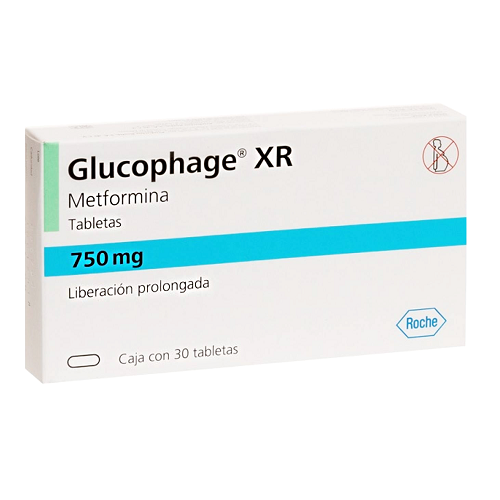
Can Glucophage Be Purchased Without Prescription in United Kingdom?
Glucophage (metformin) cannot be legally purchased without a prescription in United Kingdom. It is a prescription-only medicine regulated by the Medicines and Healthcare products Regulatory Agency (MHRA). Ordering or buying Glucophage without prescription from unverified sources, including online, is illegal and unsafe.
Key Takeaways: What Patients in United Kingdom Should Know About Glucophage
- Glucophage is most suitable for adults with type 2 diabetes who need to control their blood sugar alongside lifestyle changes.
- A prescription is mandatory to buy Glucophage in pharmacy or online in United Kingdom; self-purchasing without a doctor’s oversight is unsafe and unlawful.
- Patients usually notice improvements in blood glucose control within several days to weeks of starting therapy, but maximum benefit can take up to two months.
- The most important safety consideration is the risk of lactic acidosis, especially in patients with kidney or liver problems.
- Consult your doctor promptly if you experience unexplained fatigue, muscle pain, rapid breathing, or abdominal discomfort while taking Glucophage.
- Glucophage therapy addresses high blood sugar but does not cure diabetes; long-term lifestyle changes remain essential.
How Does Glucophage Work to Control Blood Sugar?
Glucophage contains metformin, a biguanide antihyperglycaemic agent. Its mechanism of action is complex and operates through several pathways:
- Primarily, metformin inhibits hepatic gluconeogenesis—it suppresses the liver’s production of new glucose by acting on mitochondrial respiratory-chain complex I, reducing ATP production and consequently gluconeogenesis (PubMed, 2023).
- It increases insulin sensitivity at the cellular level (especially in muscle), improving glucose uptake and peripheral utilisation.
- Metformin reduces intestinal absorption of glucose, modestly decreasing post-meal glucose spikes.
- Unlike many diabetes medicines, Glucophage does not stimulate insulin secretion, thus it does not usually cause hypoglycaemia when used alone.
In simpler terms: Glucophage tells your liver to stop making unnecessary sugar, helps your muscles use the sugar already in your blood, and keeps your gut from taking in too much sugar from food. Its effect is independent of meals or physical activity; it works continuously as long as it’s present in your body.
Why Expectations and Reality Sometimes Diverge: Clinical Observations
From the Doctor:
Many patients expect Glucophage to immediately ‘fix’ their diabetes or to allow them to abandon dietary changes. Often, I find people judge success only by finger-prick readings in the first week, not realising that full benefits may take several weeks. Others worry if their weight does not drop quickly, or panic about mild side effects that usually resolve. Rarely do patients ask about kidney monitoring or what symptoms should trigger urgent review, though these are more critical for long-term safety. In practice, ongoing reassurance and education are needed to bridge the gap between expectations and the actual clinical course of treatment.
How Should Glucophage Be Taken? Dosage, Timing, and Duration
Glucophage is available in standard and extended-release (SR/XR) tablets in United Kingdom, typically in 500 mg, 850 mg, and 1,000 mg strengths. The starting dose for adults is usually 500 mg once or twice daily, taken with meals to minimise stomach upset.
- Doctors may increase the dose in 500 mg increments every 1–2 weeks, depending on blood glucose response and tolerability.
- The maximum daily dose is generally 2,000 mg for standard-release and 2,000–2,500 mg for extended-release formulations. Exceeding this carries risk of lactic acidosis.
- Tablets should be swallowed whole with water—do not split or crush extended-release tablets.
- Glucophage should be taken at the same times each day, preferably with food.
- Older adults or those with mild renal impairment may require reduced starting and maximum doses; kidney function should be monitored at least annually.
The peak effect is reached in about 2–3 hours for standard tablets and 4–8 hours for extended release. The blood sugar lowering effect lasts for about 12 hours (standard) or up to 24 hours (XR). Consistency is key—missing doses can reduce effectiveness.
What Should You Know About Food, Alcohol, and Lifestyle While Using Glucophage?
- Take Glucophage with meals to reduce gastrointestinal side effects.
- Fatty meals do not significantly delay or reduce absorption, but very heavy meals may worsen nausea in some people.
- Alcohol should be avoided or strictly limited. More than 2 units per day (roughly 1 pint of beer or 1 large glass of wine) increases the risk of lactic acidosis, a rare but serious complication.
- Grapefruit juice does not interact with Glucophage, unlike some other diabetes medicines.
- Maintain a balanced, carbohydrate-controlled diet and regular physical activity, as Glucophage is not a substitute for lifestyle management.
If you plan to fast, undergo surgery, or use contrast dyes for scans, inform your doctor—temporary interruption of therapy may be necessary.
Who Should Not Take Glucophage? Contraindications and Precautions
- Absolute Contraindications
-
- Severe kidney impairment: eGFR below 30 mL/min/1.73m² (NICE).
- Severe liver disease.
- Acute alcohol intoxication or heavy chronic alcohol use.
- Decompensated heart failure or recent myocardial infarction (within the last 6 weeks).
- Severe infection or hypoxia (e.g., shock, respiratory failure).
- Known hypersensitivity to metformin or excipients in Glucophage.
- Relative Contraindications (Use with Caution)
-
- Moderate kidney impairment (eGFR 30–45): lower doses and enhanced monitoring recommended.
- Elderly patients: Higher risk of renal decline—more frequent kidney function review.
- Pregnant or breastfeeding women: Use only if benefits clearly outweigh risks; insulin is preferred in pregnancy.
- Concomitant use of medicines affecting kidney or liver function.
Why? These conditions increase the risk of metformin building up in the body, leading to lactic acidosis, which can be life-threatening if not recognised early.
What Side Effects Are Most Common with Glucophage?
Most side effects of Glucophage are mild and improve with time, but some require urgent medical attention.
- Very Common (>1 in 10): Gastrointestinal symptoms (nausea, diarrhoea, abdominal discomfort, loss of appetite).
- Common (1 in 100 to 1 in 10): Taste disturbance (metallic taste), mild weight loss, mild skin rash.
- Rare (1 in 1,000 to 1 in 100): Vitamin B12 deficiency (with long-term use), mild anaemia.
- Very Rare (<1 in 10,000): Lactic acidosis (medical emergency: rapid breathing, abdominal pain, severe fatigue), liver inflammation, severe skin reactions.
If you experience symptoms suggestive of lactic acidosis, seek emergency medical attention immediately. For persistent stomach upset, dose adjustment or slow titration often resolves the problem.
Pitfalls Patients Commonly Face with Glucophage: Real-World Mistakes to Avoid
- Stopping Glucophage after early side effects: Many patients discontinue therapy during the first week due to nausea or diarrhoea, which often resolve after 7–14 days. Solution: Discuss side effects with your doctor before stopping.
- Taking Glucophage on an empty stomach: This increases risk of gastrointestinal upset. Solution: Always take with or after food.
- Doubling up doses after missing one: Taking extra tablets can increase the risk of side effects and lactic acidosis. Solution: Skip the missed dose if it’s nearly time for the next.
- Assuming Glucophage alone is enough: Neglecting diet, exercise, or other prescribed diabetes treatments can undermine results. Solution: Use Glucophage as part of a comprehensive management plan.
- Ignoring kidney function monitoring: Skipping blood tests can result in undetected renal decline and increased risk of toxicity. Solution: Attend all scheduled follow-ups and lab checks.
- Ordering Glucophage online from unregulated sources: Increases risk of counterfeit or unsafe medicines. Solution: Use only licensed UK pharmacies or NHS channels.
How Does Glucophage Compare with Other Type 2 Diabetes Medicines?
When considering whether to buy Glucophage in United Kingdom or to choose alternatives, it helps to compare efficacy, safety, and cost. Below is a direct comparison including estimated NHS and private pharmacy prices as of 2026.
| Medicine | Main Ingredient | Onset Speed | Duration of Action | Common Side Effects | Price per 500mg tablet (GBP) | Prescription Needed? |
|---|---|---|---|---|---|---|
| Glucophage (Metformin) | Metformin | 2–3 hrs (immediate) | 12–24 hrs | GI upset, B12 low, rare lactic acidosis | £0.05–£0.10 | Yes |
| Januvia | Sitagliptin | 3–4 hrs | 24 hrs | Nasal congestion, sore throat, headache | £1.20–£1.40 | Yes |
| Forxiga | Dapagliflozin | 1–2 hrs | 24 hrs | Urinary tract infection, genital infection | £1.60–£1.90 | Yes |
| Gliclazide | Gliclazide | 2–4 hrs | 12–24 hrs | Low blood sugar, weight gain | £0.08–£0.12 | Yes |
Bottom line: Glucophage is typically more affordable than newer alternatives and carries a low risk of hypoglycaemia when used alone. However, other agents may be preferred in those with cardiovascular disease or who cannot tolerate metformin.
Technical Specifications and Product Details: Glucophage
| Parameter | Value |
|---|---|
| Active Ingredient | Metformin hydrochloride |
| Formulations | Standard tablets (500 mg, 850 mg, 1,000 mg); Extended-release tablets (500 mg, 750 mg, 1,000 mg) |
| Administration | Oral, with or after food |
| Duration of Action | 12 hrs (standard); up to 24 hrs (XR) |
| Storage | Store below 25°C, in original packaging |
| Prescription Only? | Yes |
| Manufacturer | Merck, Sandoz, various generics |
| Appearance | White, film-coated, round or oblong tablets; may be engraved with “500”, “850”, “1000” |
Compatibility Check: Glucophage with Other Medications or Products
| Type of Product | Can it be Combined? | Consequences |
|---|---|---|
| Insulin | Yes, if prescribed together | Enhanced blood sugar lowering; monitor for hypoglycaemia |
| Paracetamol | Yes | No known interaction |
| Alcohol (excessive) | STRICTLY NO | Increased risk of lactic acidosis; avoid |
| NSAIDs (e.g., ibuprofen) | With caution | May affect kidney function; monitor if long-term |
| Radiographic contrast dyes | No (temporary stop) | Increased risk of kidney injury; interrupt metformin before/after scan |
| Lisinopril (ACE inhibitor) | Yes, with monitoring | May increase risk of renal impairment; check kidney function |
Step-by-Step: How to Obtain Glucophage Safely in United Kingdom
- Consult your GP or a diabetes specialist (NHS or private sector) for assessment and diagnosis.
- Undergo blood tests to confirm diabetes and assess kidney/liver function.
- Your doctor will issue an NHS or private prescription if Glucophage is appropriate for your therapy.
- Take the prescription to a registered pharmacy in your town or city (e.g., Boots, Lloyds, local chemist) or use an NHS-approved online pharmacy.
- The pharmacist will dispense the medicine, give usage guidance, and may check your ID.
- Regular follow-up (usually every 3–6 months) is needed for blood tests and dose review.
- Repeat prescriptions can be obtained via your GP, online NHS repeat ordering, or private telemedicine services.
Note: You cannot legally order Glucophage online in United Kingdom without uploading a valid prescription to a registered pharmacy. Attempts to “buy Glucophage without prescription” online may result in receiving counterfeit or unsafe products.
Questions Patients Often Ask Doctors about Glucophage Therapy
- How will I know if Glucophage is working for me?
- Your blood glucose readings (fasting and post-meal) should improve within a few weeks of consistent use. HbA1c, a longer-term marker, usually improves over 2–3 months. If you’re unsure, bring your readings to your review appointment for proper interpretation.
- What if my stomach is upset when I start Glucophage?
- Mild nausea or diarrhoea are common initially, but these typically subside after 1–2 weeks. Taking the tablet with food helps. If symptoms persist, a lower starting dose or switching to extended-release may help—discuss with your GP.
- Is weight loss expected when taking Glucophage?
- Some patients experience modest weight loss, especially if combined with dietary changes. However, Glucophage is not primarily a weight loss medicine, and results vary.
- Do I need to test my blood sugar at home when on Glucophage?
- Not everyone needs to test daily, but home monitoring can help you and your doctor assess control, especially when starting or adjusting therapy. Your GP will advise on the best schedule for you.
- How is my treatment progress monitored?
- Your doctor will check your HbA1c every 3–6 months, along with kidney and liver function tests at least annually. Discuss any new symptoms, side effects, or medication changes at each review.
- Will Glucophage interact with my blood pressure or cholesterol medicines?
- Most common blood pressure and cholesterol medicines are safe to use with Glucophage, but your doctor will check for any specific interactions based on your medication list.
- Can Glucophage be stopped if my blood sugars return to normal?
- Do not stop or reduce your dose without consulting your doctor. Glucophage helps keep sugar controlled long-term; stopping suddenly can cause blood sugar to rise again.
How to Safely Buy Glucophage Online in United Kingdom: Pharmacy Verification
In United Kingdom, only licensed online pharmacies regulated by the General Pharmaceutical Council (GPhC) or MHRA can legally dispense Glucophage. Safe online services require your valid prescription and display the EU Common Logo or UK Distance Selling Logo.
- Check the pharmacy’s registration: Visit the GPhC website to verify the registration number.
- Be wary of suspiciously low prices or sites offering “Glucophage without prescription”—these are red flags for counterfeit or illegal products.
- Avoid websites lacking clear contact details, a physical address in United Kingdom, or a verifiable pharmacist.
- Never share your payment or health details with unregistered sellers.
Purchasing through NHS-approved services or established UK pharmacy chains ensures product authenticity and access to professional advice.
Detecting Counterfeit Glucophage and Making Sense of Generics
Original Glucophage is manufactured by Merck and distributed in sealed blister packs with clear UK-specific labelling, batch numbers, and expiry dates. Any product lacking English labelling, with spelling errors, unclear batch numbers, or unusual tablet shapes should be treated with suspicion.
- An unusually cheap price is a classic warning sign of a counterfeit, imported, or substandard medicine.
- Generics (e.g., metformin by Sandoz, Teva, Accord) are approved by MHRA and are strictly equivalent in active ingredient, dosage, efficacy, and safety to the branded version. They may differ in colour, shape, or inert ingredients (excipients)—rarely, some people react to these additives.
- Generics are often more affordable, making them a safe and effective choice for most patients—ask your pharmacist if you prefer a particular brand.
Glucophage Quality Check: How to Verify Your Medicine
- Appearance: White, round (500 mg) or oblong (1,000 mg) film-coated tablets, embossed with the strength (e.g., “500”, “1000”).
- Packaging: Sealed blister strips with English labelling, batch and expiry date, and the manufacturer’s logo.
- Security Features: Some packs display a hologram, QR code, or scratch-off authentication code. These can be checked via the manufacturer’s or pharmacy’s online verification platform.
- Prescribing Information Leaflet: Always included in the pack; should reference United Kingdom marketing authorisation.
If in doubt, consult your pharmacist before taking any tablet.
What to Do in Case of Glucophage Overdose
- Stop taking Glucophage immediately.
- Call 999 or emergency services in United Kingdom without delay.
- Tell the operator and medical staff exactly how much was taken and when.
- Do not try to induce vomiting or treat the overdose yourself.
- Bring the medicine packaging or prescription to the hospital for reference.
Overdose can cause lactic acidosis, a potentially life-threatening condition—early hospital treatment is critical.
What Should Special Patient Groups Know About Glucophage?
- Chronic Kidney Disease: Avoid if eGFR <30 mL/min/1.73m²; monitor closely if eGFR 30–45. Dose adjustments are necessary.
- Liver Problems: Use is contraindicated due to raised risk of lactic acidosis.
- Elderly Patients: Dose reductions and more frequent monitoring are often necessary due to declining renal function.
- Pregnant or Planning Pregnancy: Consult your doctor; insulin is preferred, but Glucophage may be considered in certain situations.
- Children and Adolescents: Approved for type 2 diabetes from age 10, but only under specialist supervision.
- Ability to Drive or Operate Machinery: Glucophage alone does not cause low blood sugar, so it does not impair these abilities. However, hypoglycaemia risk rises if combined with other diabetes medicines—caution is advised.
- Fertility: No evidence of negative impact; sometimes used in polycystic ovary syndrome (PCOS) to improve ovulation.
Living with Type 2 Diabetes: A Note on Psychological Support
It’s normal to feel overwhelmed when starting diabetes therapy. Type 2 diabetes is common and manageable—many people live full, active lives with the right treatment and support. Consider discussing your feelings with your GP, nurse, or a diabetes support group; psychological health is as important as physical care.
doctor’s Clinical Perspective: Who Benefits Most from Glucophage?
In clinical practice, I find that Glucophage is particularly beneficial for adults recently diagnosed with type 2 diabetes, especially those who are overweight or have evidence of insulin resistance. It’s also well suited for patients who cannot tolerate the risk of hypoglycaemia. However, it is not ideal for those with significant renal impairment, advanced heart failure, or heavy alcohol use, where the risk of lactic acidosis outweighs the benefits. Alternative therapies may be considered if gastrointestinal side effects are persistent or if additional cardiovascular protection is required, as with SGLT2 inhibitors or GLP-1 receptor agonists. I routinely reassess therapy in any patient whose kidney function declines, or who develops new comorbidities, as the safety profile of Glucophage depends heavily on these factors. Sometimes, combination therapy is needed when Glucophage alone does not achieve adequate glucose control.
FAQs: Quick Answers about Glucophage in United Kingdom
- Is it legal to buy Glucophage without prescription in United Kingdom?
- No. Glucophage is prescription-only and must be dispensed by a registered pharmacy upon presentation of a valid prescription.
- How much does Glucophage cost in pharmacy or online in United Kingdom?
- NHS patients typically pay the standard prescription charge per item unless exempt; privately, Glucophage costs around £0.05–£0.10 per 500 mg tablet, plus dispensing fees.
- How long does Glucophage take to start working?
- Blood sugar levels usually start to improve within a few days, but maximum effect may take 2–3 months.
- Is Glucophage safe for long-term use?
- Yes, provided kidney function is monitored regularly and instructions are followed. Long-term use is well established in clinical trials.
- Can you buy Glucophage cheap online?
- You can purchase affordable Glucophage via NHS or registered online pharmacies with a prescription. Beware of offers for Glucophage cheap from unlicensed websites—these are often unsafe.
- Do I need to stop Glucophage before surgery or scans?
- Sometimes, yes. Glucophage may need to be paused before certain procedures, especially those requiring iodine contrast. Your doctor will provide specific instructions.
- Is Glucophage suitable for children?
- Glucophage is approved for children from age 10 with type 2 diabetes, but only under specialist care.
- Where can I order Glucophage in United Kingdom?
- Through your local pharmacy or a registered UK online pharmacy, after your doctor provides a prescription.
- Are there any foods I should avoid with Glucophage?
- No specific foods are prohibited, but a balanced, controlled-carbohydrate diet is strongly recommended for best results.
- What are the signs of serious side effects with Glucophage?
- Unexplained muscle pain, rapid breathing, abdominal pain, and severe tiredness could indicate lactic acidosis—seek emergency help.
References
- NICE. Type 2 diabetes in adults: management. https://www.nice.org.uk/guidance/ng28 (Accessed 2026).
- NHS. Metformin for diabetes. https://www.nhs.uk/medicines/metformin/ (Accessed 2026).
- PubMed. Metformin: Mechanism of Action and Clinical Implications, 2023. https://pubmed.ncbi.nlm.nih.gov/37035273/
- Medicines and Healthcare products Regulatory Agency (MHRA). https://www.gov.uk/government/organisations/medicines-and-healthcare-products-regulatory-agency
- General Pharmaceutical Council (GPhC). https://www.pharmacyregulation.org/
- Merck. Glucophage Summary of Product Characteristics.https://www.medicines.org.uk/emc/product/609
- ClinicalTrials.gov. Metformin and Type 2 Diabetes. https://clinicaltrials.gov/
- World Health Organization (WHO). Model List of Essential Medicines.https://www.who.int/teams/health-product-and-policy-standards/essential-medicines-lists