- Home/
- Buy Ventolin Inhaler in Online Pharmacy in United Kingdom
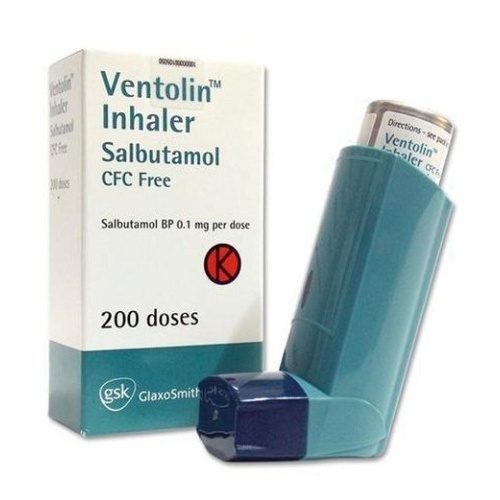
| Product Name | Ventolin Inhaler |
|---|---|
| Principal Substance | Salbutamol |
| Main Use | Relief and prevention of Asthma symptoms |
| Strengths Available | 100 micrograms per puff |
| How Fast it Works | Within 5 minutes of inhalation |
| Lasting Effect | Approximately 4 to 6 hours per dose |
| Usage Instructions | As needed for symptom relief |
| Legal Status in UK | Prescription-only, approved by MHRA |
| Estimated Cost Range | £6 – £10 per inhaler |
Ventolin Inhaler: A Comprehensive Guide for Asthma Relief in the United Kingdom
Ventolin Inhaler, containing the active ingredient Salbutamol, is a fast-acting medication prescribed for the management of Asthma symptoms. It is authorised for use in the United Kingdom and can be obtained legally with a valid prescription. This guide explains what Ventolin Inhaler is, its role in treating Asthma, and how to navigate your options confidently.
Asthma in the UK: Understanding the Widespread Reality
Asthma is a chronic respiratory condition that affects people of all ages across the United Kingdom. According to Asthma + Lung UK (2023), more than 5.4 million individuals in the UK currently receive treatment for Asthma, with approximately 1.1 million of these being children. The condition is characterised by recurring episodes of breathlessness, wheezing, chest tightness, and cough. These symptoms can range from mild to severe, and their unpredictability is a source of genuine concern for many. Knowing that Asthma is not uncommon—and that effective, evidence-based treatments exist—can reduce a sense of isolation and help individuals take proactive steps toward control.
How Ventolin Inhaler Relieves Asthma: Mechanism and Experience
Ventolin Inhaler is classified as a short-acting beta2-adrenergic agonist. This means it acts directly on the muscles lining your airways. When you inhale Salbutamol, it binds to specific receptors (beta2 receptors) in the bronchial muscles. This triggers relaxation of these muscles, leading to rapid widening (dilation) of the airways. The practical effect is straightforward: within minutes, you should notice easier breathing, reduced wheezing, and relief from chest tightness.
On a physical level, Asthma symptoms occur because the airways narrow and become inflamed, making breathing difficult. Ventolin targets the muscular component—the “tightness”—by reversing constriction quickly. The speed of action is a critical benefit: most users experience improvement in 5 minutes, with maximum effect within 15. The relief typically lasts for several hours, allowing you to regain normal activities or manage sudden symptoms efficiently.
Is Ventolin Inhaler Right for You? Individual Scenarios
| Situation | Recommendation | Reasoning |
|---|---|---|
| You experience sudden Asthma symptoms such as breathlessness or wheezing, especially during exercise or exposure to triggers (e.g., pollen, dust) | Ventolin Inhaler is suitable | Because it provides fast, effective relief in acute situations |
| Your Asthma is infrequent and you only need symptom relief a few times a month | Ventolin Inhaler works well as a “reliever” inhaler | Because it is designed for as-needed use, not daily maintenance |
| You need to use Ventolin more than three times a week or wake up at night with symptoms regularly | Assessment needed; Ventolin alone may not be enough | Because frequent use signals uncontrolled Asthma—maintenance therapy may be required |
| You have a known allergy or adverse reaction to Salbutamol or other inhalers | Ventolin Inhaler is not advised | Because risk of allergic reaction outweighs benefit; alternative therapy is necessary |
| You have severe heart disease (e.g., arrhythmias, recent heart attack) | Caution is needed | Because Salbutamol can sometimes affect heart rate or rhythm—doctor guidance essential |
It is important to note: if you find yourself needing the reliever inhaler often, or if your symptoms are getting worse, consult your asthma nurse or GP. This may indicate your Asthma plan requires adjustment.
Practical Use: Applying Ventolin Inhaler in Everyday Life
- Using the Inhaler: Shake the inhaler, exhale fully, place the mouthpiece in your mouth, and press down as you inhale deeply. Hold your breath for a few seconds, then exhale.
- Timing: Use as soon as Asthma symptoms begin. For exercise-induced symptoms, use 10-15 minutes before starting activity.
- Missed Dose: If you forget to use your inhaler, take it when symptoms occur—do not double-dose as a precaution.
- If it doesn’t work: If two puffs do not bring relief after a few minutes, repeat after several minutes. If symptoms persist, seek urgent medical attention, as this could indicate a severe attack.
- Storage: Keep your inhaler at room temperature, away from direct sunlight, and check the expiry date regularly.
Normal experiences include a slight tremor in the hands or a mild, temporary increase in heart rate after use. If you notice your inhaler is being used more frequently than usual, or you are not achieving expected relief, this signals a need to re-evaluate your Asthma management plan with a healthcare professional.
Who Should Not Use Ventolin Inhaler?
Ventolin Inhaler is contraindicated in certain situations because the risk of adverse outcomes outweighs its benefits. These include:
- Allergy to Salbutamol: If you have experienced a previous allergic reaction to Salbutamol or any other component of the inhaler, avoid use to prevent severe hypersensitivity reactions such as swelling or rash.
- Serious Heart Conditions: Individuals with unstable heart rhythm disorders or recent heart attack should not use Salbutamol without close medical supervision, as it can sometimes provoke palpitations or exacerbate heart problems.
- Severe Hypokalemia: If you have significantly low blood potassium levels, Salbutamol may worsen this and lead to muscle weakness or heart rhythm changes.
In all these cases, the underlying risk is that Salbutamol’s stimulating effects may trigger serious reactions or complicate existing conditions. Always inform your doctor of your full medical history before starting a new medication.
Potential Side Effects: What to Expect and When to Worry
- Common and Mild: Shakiness (tremor), headache, rapid heartbeat (palpitations), mild muscle cramps. These effects are usually short-lived and do not require intervention.
- Occasional and Noticeable: Nausea, dry mouth, or feeling jittery. If these persist or trouble you, speak to your healthcare provider.
- Rare but Serious: Chest pain, severe breathlessness unresponsive to the inhaler, or swelling of the lips/face (potential allergic reaction). If you develop these, seek emergency help immediately via NHS 999, as these may signal a severe Asthma attack or allergy.
The likelihood of serious adverse reactions is low when used as directed. However, if you experience sudden worsening of symptoms or signs of a severe allergic reaction (difficulty breathing, hives, facial swelling), immediate medical attention is essential.
Can Ventolin Inhaler Be Taken with Your Other Medicines?
Ventolin Inhaler is generally compatible with most Asthma medications, but certain interactions are important:
- Beta-blockers (e.g., propranolol): Can reduce or block the effect of Salbutamol, sometimes making Asthma control more difficult.
- Diuretics and corticosteroids: When combined with Salbutamol, these may increase the risk of low blood potassium, especially if used long-term or at high doses.
- Other stimulant medicines (e.g., some for Parkinson’s or ADHD): May enhance the side effects such as palpitations or shakiness.
Always provide your doctor or pharmacist with a full list of your current medications, including non-prescription and herbal remedies, to ensure safe use.
Alternatives and Comparisons: When Ventolin Is Not the Only Option
| Option | Type | Best Use Scenario | Limitations |
|---|---|---|---|
| Ventolin Inhaler (Salbutamol) | Short-acting reliever | Acute symptom relief, occasional use, during exercise | Ineffective for long-term inflammation control, not suitable as sole therapy in persistent Asthma |
| Seretide, Fostair, Symbicort | Combination inhalers (steroid + long-acting beta2-agonist) | Daily prevention, moderate-to-severe or poorly controlled Asthma | Not for immediate relief, regular use required, more expensive |
| Other Salbutamol Inhalers (generic brands) | Short-acting reliever | Similar to Ventolin, may be cheaper or preferred by some | Brand and device differences—may affect ease of use or availability |
| Ipratropium Inhaler | Alternative bronchodilator | For those intolerant to Salbutamol or with specific contraindications | Slower onset, less effective in most acute situations |
Ventolin Inhaler is highly effective for rapid symptom relief, but if frequent use is required or Asthma remains uncontrolled, preventive therapies (inhaled corticosteroids or combination inhalers) are preferred. Generic Salbutamol inhalers offer a more cost-effective option with equivalent efficacy in most cases.
What You Will Actually Pay: Full Cost Breakdown for Ventolin Inhaler in the UK
| Cost Item | Amount | Note |
|---|---|---|
| General Practitioner or Asthma nurse consultation (NHS) | Free | Covered by NHS for registered patients |
| Private consultation (if using online pharmacy or private GP) | £40 – £75 | May be required for online prescription |
| Prescription fee (NHS England) | £9.65 per item | Standard NHS prescription charge |
| Ventolin Inhaler (100 micrograms, 200 doses) | £6 – £10 | Varies by pharmacy, may be higher privately |
| Home delivery (private/online pharmacies) | £3 – £7 | Possible with online orders |
| Total | £6 – £102.65 | Minimum: NHS prescription only; Maximum: private consult, prescription, inhaler, and delivery |
Most NHS patients will pay only the prescription fee unless exempt. Private or online routes can add to the overall cost, especially if a prescription and delivery are needed. Always check if your chosen pharmacy is registered with the General Pharmaceutical Council to ensure safe and legal supply.
Remaining Practical Questions About Ventolin Inhaler Usage
- What if my inhaler runs out unexpectedly? Contact your GP or pharmacist promptly; most pharmacies can provide a replacement with a valid prescription, and some offer emergency supplies for known Asthma patients.
- Can I get Ventolin without a prescription? Legally, Ventolin Inhaler is prescription-only in the UK (regulated by the MHRA). Some online providers arrange a remote consultation with a prescriber before dispensing—but be wary of unregulated sources.
- Does inhaler technique matter? Yes. Poor technique is a common reason for lack of symptom control. Ask your asthma nurse to review your technique regularly or watch instructional videos from trusted NHS sources.
- What if I use too much Ventolin? Accidentally taking extra puffs can cause palpitations or shaking. If you take far more than prescribed or develop chest pain, seek immediate assessment via NHS 999.
Ventolin Inhaler is a cornerstone of Asthma management, but its effectiveness relies on correct use and regular asthma reviews. For persistent or worsening symptoms, always seek professional advice to adjust your treatment plan.